What to Expect From a Classic Irish Pub NYC Experience
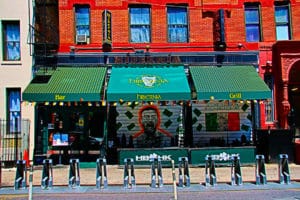
New York has no shortage of bars that borrow the language of the pub. Plenty serve Guinness, hang framed mirrors on dark walls, and cue up a playlist with The Pogues around St. Patrick’s Day. That does not automatically make them feel like a true Irish pub. A classic Irish Pub NYC experience is something more specific, and regulars know it the minute they walk in.
It begins with atmosphere, Irish pubs in NYC but it does not end there. The best places balance warmth with efficiency, conversation with crowd energy, tradition with the practical realities of running a bar in Manhattan, Brooklyn, Queens, or the Bronx. They are neighborhood institutions, date-night stops, post-work refuges, and game-day gathering places all at once. You may come in for one pint and end up staying for a plate of shepherd’s pie, a second round, and a half-hour conversation with someone who has sat on the same stool every Thursday for ten years.
If you have never spent serious time in one, it helps to know what separates a classic Irish pub from a themed bar. New York adds its own layer to the experience. Rents are high, crowds move fast, and the city rarely sits still. Yet the right pub can make all of that fade into the background for an hour or two.
The room tells you a lot before the first sip
A real Irish pub tends to announce itself quietly. The details are often modest, but deliberate. Dark wood bars and paneling are common, though not universal. Brass foot rails, framed black-and-white photos, old mirrors with painted lettering, worn but sturdy stools, and a back bar arranged with care all create a sense that the place has been lived in, not staged.
Lighting matters more than people realize. The classic room is dim enough to feel relaxed, but never so dark that you need a flashlight to read the menu. There is a practical intelligence to pub lighting. It flatters the room, softens faces, and keeps attention on the table in front of you rather than on decorative gimmicks. If the whole place feels designed for photos first and comfort second, that is usually a clue you are not in a traditional pub.
Sound is another giveaway. In a good pub, you can hear the room. Glassware clinks. A low wave of conversation rises and falls. Music is present, but it should not dominate every square foot of air unless there is live entertainment scheduled. During a major football match, hurling final, or rugby game, the energy changes and volume goes up. Outside those moments, the best pubs understand restraint.
Space in New York is always a compromise, so classic Irish pubs here adapt. Some are long and narrow, with just enough room to pass behind seated guests. Others have snug back rooms, a few booths, or upstairs dining areas. The defining trait is not size. It is ease. Even in a packed house, a well-run pub feels navigable.
The bar staff set the tone
People often talk about the décor, but the staff shape the experience far more than the woodwork does. In a classic Irish Pub NYC setting, bartenders and servers are usually brisk, observant, and warm without performing friendliness. There is a difference between genuine welcome and scripted hospitality, and pub regulars can spot it instantly.
You may get a quick nod before you get a full conversation. That is normal, especially during a rush. Good pub service is efficient first, then personal. The bartender remembers who ordered the Smithwick’s, who wants another soda bread basket, who is waiting on the kitchen, and who just walked in from the rain looking like they need a minute to settle. In many of the better pubs, this attentiveness comes without fuss.
There is also a certain directness that regular pub-goers appreciate. If the kitchen is backed up, they will tell you. If the best seat in the house just opened, they might steer you there. If you ask for a whiskey recommendation and vaguely request “something smooth,” a good bartender will narrow it down with a couple of practical questions instead of delivering a speech. That economy of manner is part of the charm.
On a busy Friday in Midtown or the Financial District, you should expect speed over storytelling. In a neighborhood pub on a Irish Pub NYC quieter afternoon, you may get both. Neither is more authentic than the other. The context matters.
Expect Guinness to be taken seriously
Few topics inspire more pub debate than the quality of a Guinness pour, and some of that debate gets theatrical. Still, the basics are not negotiable. In a classic Irish pub, Guinness is handled with respect. Lines are kept clean, glassware is appropriate, and staff know that a stout with this much reputation attached to it cannot be treated like an afterthought.
The famous two-part pour is real, though how ceremoniously it is presented varies by house and by how slammed the bar is. In a calmer setting, you may watch the pint settle before the top-off. In a crush of pre-game orders, the bartender may manage the timing with practiced efficiency. Either way, the result should be creamy, cool, and balanced, with a proper head and no tired, flat taste.
Guinness may be the headline, but a classic pub usually offers more range than outsiders expect. You are likely to find Irish whiskey, a few domestic standards, some local craft options, ciders, and perhaps a rotating tap or two. The better pubs avoid overcomplicating the menu. This is not a place where a twelve-page beverage program proves sophistication. The value is in dependable quality.
If you are not a stout drinker, you should still feel at home. A well-run pub never treats non-Guinness orders as lesser choices. One sign of confidence is that the place serves every drink properly, from a straightforward gin and tonic to a black and tan to a neat pour of Redbreast.
Food is not an afterthought, even when the menu is simple
Some visitors make the mistake of assuming pub food means heavy, forgettable fare designed mainly to support drinking. At weaker bars, that can be true. At a classic Irish pub, the food is often a central part of the appeal. It may not be fussy, but it should be comforting, consistent, and rooted in a clear sense of what people actually want to eat with a pint.
You are likely to see staples such as shepherd’s pie, fish and chips, bangers and mash, beef stew, burgers, sandwiches, and perhaps a chicken curry or curry fries, which have long since earned a place in many pub menus. Irish breakfast may appear during brunch hours, especially on weekends. Brown bread, soda bread, and hearty soups often tell you more about the kitchen than flashy specials do.
The best pub food has a few common traits:
- Portions are generous without being absurd.
- Salt and seasoning are handled confidently.
- Fried items arrive crisp, not greasy.
- Mashed potatoes, stews, and gravies taste cooked, not assembled.
- The menu knows when to stop rather than trying to cover every cuisine in the city.
New York pubs also reflect New York appetites. Many kitchens now offer solid vegetarian options, lighter salads, and gluten-conscious substitutions because the customer base demands it. That does not dilute the pub identity when done well. It keeps the place useful to a wider group of diners. The trick is avoiding a menu that reads like a committee compromise.
Price-wise, expect variation by neighborhood. A plate of fish and chips in Midtown will often cost more than the same dish deeper into Queens or upper Manhattan. What matters is whether the value feels fair. In a real pub, diners are less interested in novelty than in whether they would gladly order the same meal again.
Conversation is part of the architecture
A classic Irish pub is built for talk. Not every guest arrives looking to make friends, but the room should support easy conversation. Small tables encourage people to lean in. The bar invites solo drinkers to become less solitary. Booths create just enough privacy for a family meal or a first date. There is an old social logic to pub design that many modern bars never quite capture.
This is one reason televisions can make or break the mood. Some New York Irish pubs do sports brilliantly. They understand where screens belong, how loud commentary should be, and when to let the room respond naturally. Others overload the space, turning every wall into a stadium annex. If you are after the classic experience rather than a game-day blowout, balance matters.
What makes many Irish pubs memorable is the mix of people. Office workers loosen their ties beside construction crews, neighborhood regulars, tourists, families, actors after a shift, and older patrons who have seen the area change three times over. That social layering is part of the tradition. The pub is not exclusive, even when it has a strong core of regulars. It should feel possible to belong there, whether you came in once or a hundred times.
I have always found that the strongest pubs in New York manage crowd density with uncommon skill. The room can be full, but not hostile. You may wait for a seat, but nobody seems territorial about the idea that other people also deserve a place at the bar. That generosity is subtle, but important.
The city changes the rhythm
An Irish pub in New York does not operate exactly like one in Dublin, Cork, or Galway, and it should not pretend otherwise. The city shapes everything, including pace, pricing, turnover, staffing, and neighborhood identity. Understanding that helps set realistic expectations.
In Midtown, for example, the pub often doubles as a pressure valve for nearby offices, hotels, and theaters. Service may be swift, tables may turn quickly, and the crowd may shift dramatically between five o’clock and nine. In residential neighborhoods, the same pub format can feel slower and more communal. People arrive in walking clothes, know the bartenders by name, and order dinner with less urgency.
Tourist-heavy areas bring another variable. Some iconic pubs near major landmarks can still deliver a satisfying experience, but they may skew louder, busier, and more transactional during peak hours. That does not make them bad. It simply means you should calibrate expectations. If your goal is a long conversation over two pints and a stew, timing matters.
Seasonality matters too. Around St. Patrick’s Day, even excellent pubs can become endurance tests. The atmosphere is festive, but the nuance disappears under the weight of the crowd. If you want the truest sense of what a pub is like, visit on an ordinary weeknight, a rainy Sunday afternoon, or an early evening when the room is active but not overwhelmed.
Music, sport, and ritual
A classic Irish pub often has rituals that regulars anticipate. Trivia nights, live traditional sessions, rugby mornings, Premier League crowds, holiday gatherings, and wake receptions all fit under the same roof. This breadth is part of what gives the pub its staying power. It is not just a place to buy drinks. It is a local stage for recurring life.
Live music deserves special mention. When done well, it transforms the room without turning it into a concert venue. A fiddler in the corner, a few players gathered for a session, or a singer handling ballads and rebel songs can create a remarkable atmosphere, especially when the performance feels integrated into the pub rather than imposed on it. The danger comes when amplification overwhelms the social side of the room. People still need to be able to talk.
Sports, similarly, can unite or divide the space depending on how thoughtfully they are handled. For a major Ireland match or a Six Nations morning, expect standing-room pressure, communal shouting, and a line at the bar that moves on pure muscle memory. On a regular weekday with baseball on one screen and hurling highlights on another, the energy is more relaxed. The best pubs know how to accommodate both modes.
There is also a ritual in the smaller things. The ordering of another round before the glasses are quite empty. The familiar dessert that one table somehow finds room for every time. The quick exchange with the bartender when the same group arrives after work. These moments do not sound dramatic, but they are what make a pub feel inhabited.
What first-time visitors should know
If you are stepping into a classic Irish Pub NYC venue for the first time, a little awareness goes a long way. You do not need insider knowledge, but a pub rewards people who read the room.
- If the bar is crowded, know your order before you flag the bartender.
- If table service is unclear, ask once rather than waiting resentfully.
- If live music starts, expect conversation volume to rise around it.
- If a match is on, understand that some seats become unofficially claimed early.
- If you want a quieter experience, arrive before the peak after-work wave or later in the evening after dinner service slows.
Tipping norms are, of course, New York norms. Bartenders and servers work hard in these rooms, and the best ones keep service moving under pressure that outsiders often underestimate. If you linger for hours over one drink in a packed house, that has a social cost, especially in smaller pubs where every stool matters.
It is also worth understanding that friendliness has different styles. Some pubs are instantly chatty. Others warm up over repeat visits. A bartender who seems reserved on your first visit may be handling six priorities at once. Consistency is often a better measure than overt charm.
The difference between a pub and a concept
New York is full of polished hospitality concepts. Some are excellent at what they do. But a classic Irish pub usually feels less engineered. That is not to say it is sloppy. In fact, the strongest pubs are run with intense discipline. The difference is where the effort is directed.
In a concept bar, much of the energy goes toward packaging. Signature cocktails, social media visuals, trend-sensitive menus, and design-forward branding sit at the center of the experience. In a pub, the center is utility and comfort. Can you eat well, drink well, talk easily, come in alone without feeling awkward, and return often without the place feeling stale? Those are harder goals than they sound.
That is why many authentic-feeling pubs are not especially fashionable. They may not chase every dining trend or redesign every three years. Their value lies in stability. The room is recognizable. The menu evolves, but not wildly. The bartenders know what works. The regulars trust the place to be itself.
There is a lesson in that for anyone seeking a real Irish Pub NYC experience. Do not judge too quickly by whether the room photographs well. Judge by how people use it. Are they settling in or merely passing through? Does the bar feel like a set, or a living room for the neighborhood with a liquor license and a strong kitchen?
What regulars come back for
People return to classic pubs for reasons that are both emotional and practical. The emotional reason is obvious. These places offer reassurance. You know roughly what kind of evening you are going to have, and in a city as volatile as New York, that predictability can feel luxurious.
The practical reasons matter just as much. The pours are reliable. The food is satisfying. The staff keep things moving. The room works for more than one type of occasion. You can meet a friend from out of town, bring your parents for dinner, watch a match, or sit alone with the paper and not feel out of place in any of those situations.
I have watched the same dynamic play out in many good pubs over the years. A newcomer arrives expecting a novelty version of Irishness, then relaxes into something much simpler and more durable. They realize the charm is not performative. It is structural. The place is designed to be used, repeatedly, by ordinary people with different needs at different hours. That is why it lasts.
The best experience is usually the least forced
If you want the fullest sense of what a classic Irish pub offers, avoid treating it like a checklist item. Go when you have time. Order a pint or a whiskey you actually want, not the one you think you are supposed to want. If the menu looks good, eat. If the room is lively, stay for another round. If it is not your crowd that night, accept that too. Even great pubs have off rhythms.
A classic Irish Pub NYC experience is rarely about spectacle. It is about confidence, steadiness, and the feeling that the place knows exactly what it is. The room welcomes noise but does not require chaos. The staff are busy, but attentive. The food comforts without trying too hard. The drinks are served properly. Conversation comes easily. Time loosens a little.
That combination is harder to build than many operators assume. When a pub gets it right, people notice, then return, then bring others. Over time, the place becomes woven into the routines of the neighborhood. For visitors, that means one of the better kinds of New York night out, not because it is the loudest or trendiest, but because it still offers something the city always needs and too few places genuinely provide: a room where people can gather, eat, drink, and feel at ease.
Hibernia Bar
401 W 50th St
New York, NY 10019, United States
Phone: +1 212-969-9703
FAQ About Irish Pub NYC
What is the best Irish pub in NYC?
The best choice depends on your location and preferred atmosphere. Hibernia Bar is a neighborhood Irish pub in Hell's Kitchen offering Guinness, Irish whiskey, pub food, and sports viewing.
Where do Irish people go in NYC?
New York's Irish community gathers in many neighborhoods and venues. Hibernia Bar welcomes Irish expats, local residents, and visitors at 401 W 50th St, just off Ninth Avenue.
Where can I watch GAA games in New York?
Hibernia Bar lists GAA among the sports it shows. Call +1 212-969-9703 to confirm coverage and opening times for a particular match before visiting.
What is the difference between a bar and a sports bar?
A sports bar emphasizes televised games and a shared viewing atmosphere. Hibernia combines sports viewing with the food, drinks, and hospitality of a neighborhood Irish pub.