The Evolution of the Modern Bar NYC Experience
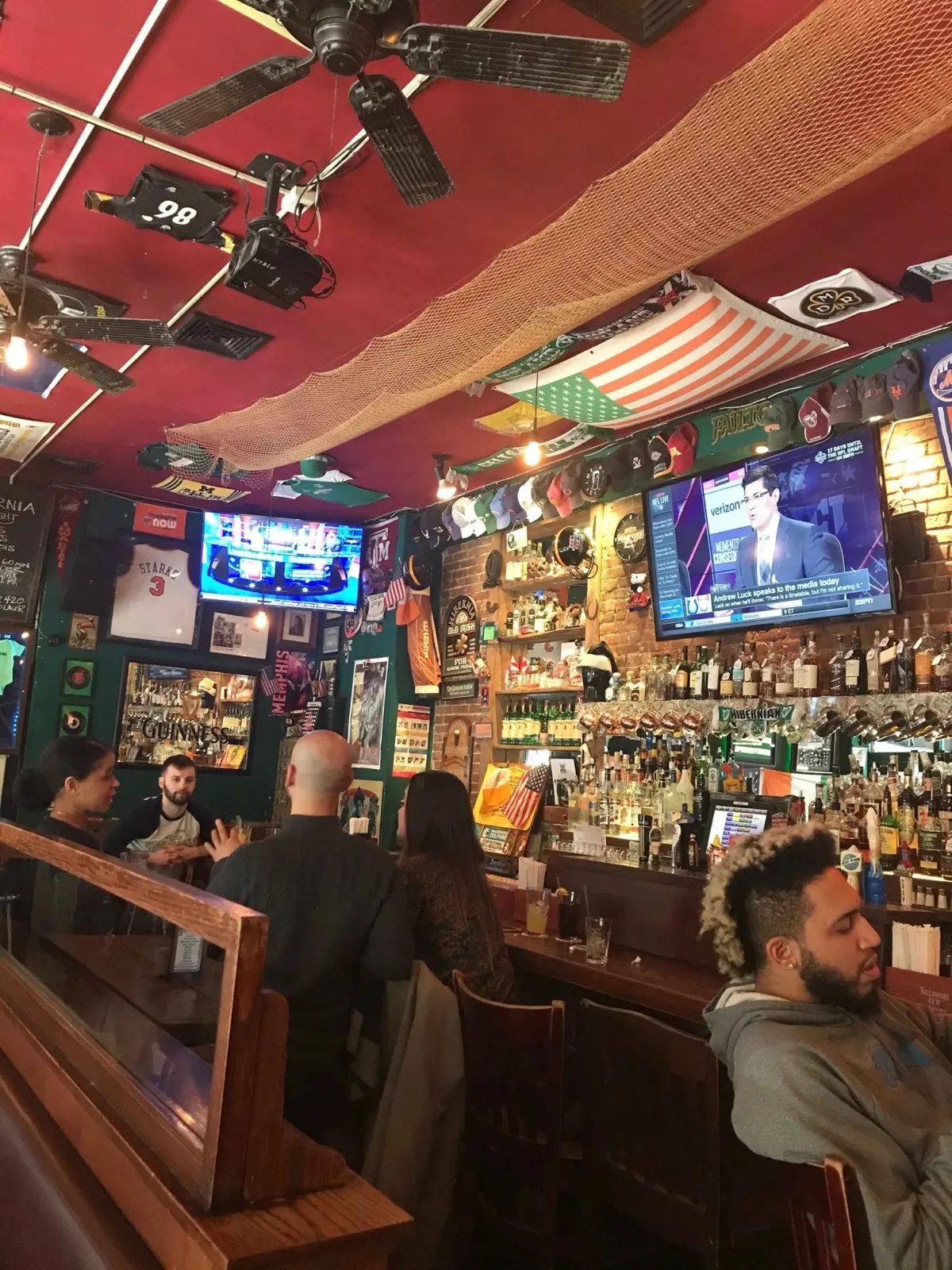
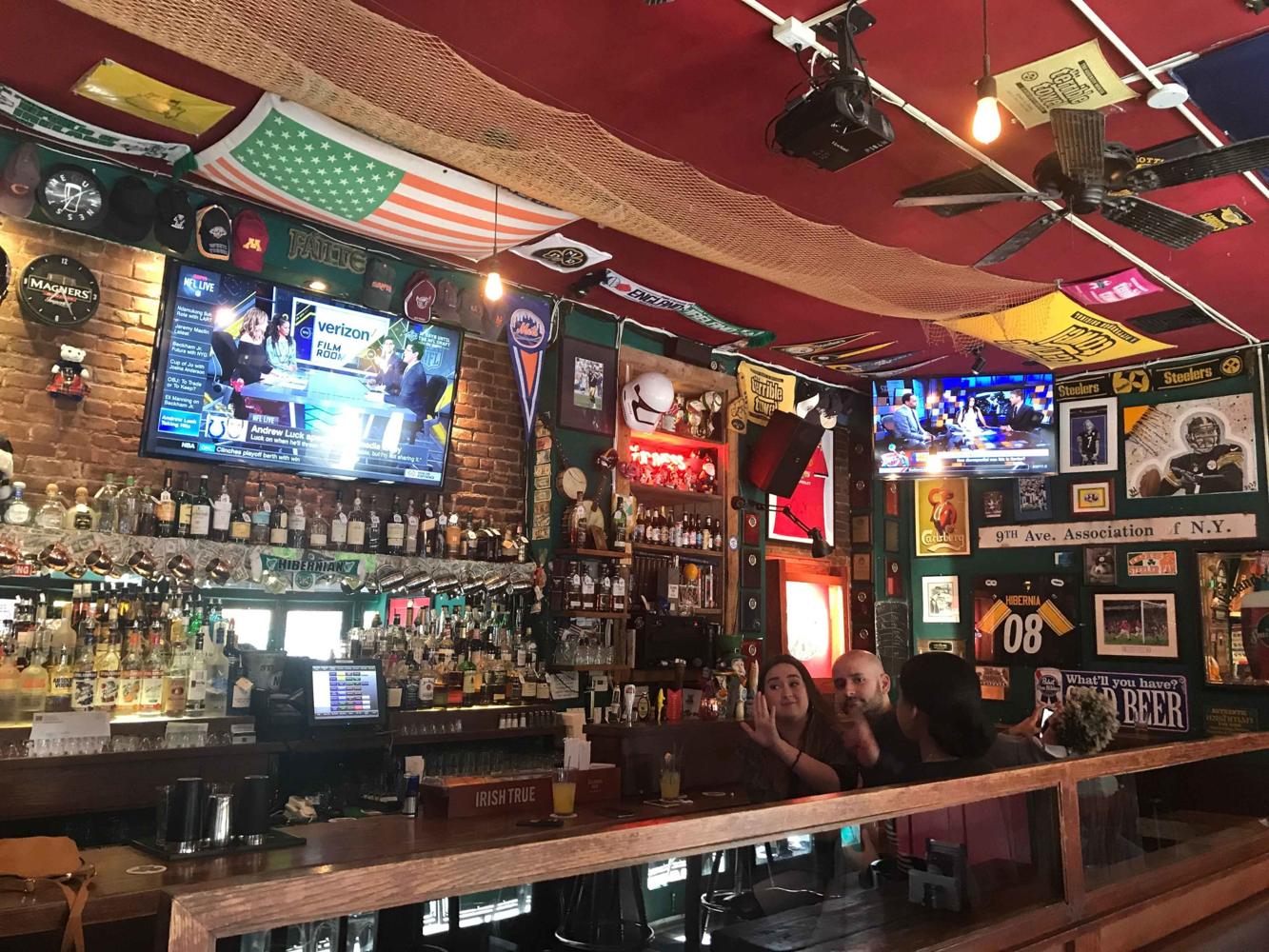
New York has always treated the bar as more than a room where drinks are poured. In this city, a bar can be a neighborhood witness, a stage set, a business model, a refuge after a late train, a testing ground for hospitality trends, and a quiet lesson in how urban life keeps changing. Anyone who has spent serious time moving through the city after dark knows that the phrase Bar NYC does not describe one thing. It describes a living category, shaped by rent pressure, migration, design cycles, labor realities, nightlife law, and the tastes of people who want more from a night out than a fast gin and tonic.
The modern New York bar experience did not arrive all at once. It developed in layers. Old tavern habits, hotel glamour, craft cocktail revival, natural wine culture, food-forward programming, and digital reservation systems have all left a mark. So have less romantic forces, like real estate economics and the cost of staffing a room until 2 or 4 a.m. What makes the current moment interesting is not that bars now serve clarified milk punches or low-intervention orange wine. It is that guests expect atmosphere, precision, speed, and a point of view, often at the same time.
That expectation has reshaped nearly every part of the business.
From utility to identity
For much of the twentieth century, a New York bar often announced itself through function. There were places to drink before the game, places to meet after work, places to kill an hour, and places that kept the lights low enough to encourage discretion. Identity mattered, but it usually emerged from regulars and location more than from a carefully scripted brand. A corner bar in the West Village carried one kind of social contract. An Irish pub in Midtown carried another. A hotel lounge near Central Park played by different rules entirely.
That world still exists, and many New Yorkers are grateful for it. Yet the center of gravity shifted when bars began presenting themselves with the same narrative control once associated more with restaurants. A modern bar now tends to signal intention before a guest ever steps inside. The name, font, music level, menu paper, glassware, ice shape, and even restroom mirror lighting tell you what kind of evening the operators think you should have.
Some of that change came from the craft cocktail renaissance of the early 2000s and 2010s. Bartenders stopped being treated only as efficient drink makers and became visible specialists. Technique moved out from behind the curtain. Guests learned to notice dilution, texture, house tinctures, and vermouth quality. The old standard of a good bar, meaning a stiff pour and a decent pour speed, gave way to a more layered standard, one that included balance, product knowledge, hospitality style, and aesthetic coherence.
A serious Bar NYC operator now thinks less like a tavern owner and more like a theater producer with a P&L statement. The room has to perform.
The cocktail boom changed service, not just menus
It is easy to over-romanticize the craft era, but its impact was real. Before the cocktail boom, many bars were built around call spirits, domestic beer, and a handful of familiar classics. Afterward, menus expanded into house signatures, revived pre-Prohibition recipes, barrel-aged batches, and technical drinks that required prep kitchen discipline. Citrus had to be juiced fresh. Syrups had to be logged. Ice became an operating decision rather than an afterthought.
That shift changed guest behavior too. People slowed down. They ordered with more curiosity. They accepted that a drink might take four minutes instead of forty seconds if what arrived Bar NYC hiberniabar.com felt considered. In the best rooms, that trade-off created a stronger sense of occasion. In weaker rooms, it created bottlenecks and self-importance.
The difference usually came down to judgment. A good bartender knows when the room wants a seven-touch stirred drink in a chilled Nick and Nora, and when the room wants a cold beer and a shot served without drama. New York rewards versatility because the crowd is mixed. A Tuesday at 6:30 p.m. Might begin with finance workers, fold in a first date from Brooklyn, pick up tourists from a nearby hotel, and end with hospitality staff who know exactly how competent your team really is.
The best bars adapted by separating complexity from friction. They improved mise en place. They batched where appropriate. They trained staff to read the room rather than perform expertise at the guest. That is a major part of the modern experience: sophistication that does not feel heavy-handed.
Design became part of the drink
Walk through Manhattan, Brooklyn, and parts of Queens today and you can read the evolution of nightlife through interiors alone. The old categories, sports bar, dive, lounge, cocktail den, are no longer enough. Design now does active commercial work. It shapes dwell time, average check, social media visibility, acoustic comfort, and who feels welcome enough to become a regular.
The design-forward Bar NYC model learned a lot from boutique hotels and restaurants. Lighting became lower but more intentional. Banquettes softened loud rooms. Back bars turned into visual anchors. Bathrooms became oddly strategic, especially once Instagram trained people to photograph every part of an evening. Some owners resisted that shift, fairly, arguing that bars should not be built around camera behavior. Others embraced it because they understood a hard truth: a room that photographs well gains free marketing in a city where attention is expensive.
Still, visual style alone does not create loyalty. Plenty of beautiful bars feel dead within six months because they mistake concept for atmosphere. Atmosphere is more elusive. It comes from pacing, sound, temperature, host stand tone, and the subtle sense that staff know what kind of room they are running. A bar with plain wood stools and great energy will outlast a jewel-box interior with indifferent service.
I have watched guests forgive a cramped layout, a weak paint job, even a slightly sticky floor, if the room feels socially alive. I have also watched guests spend $23 on a cocktail in a stunning room and never return because nobody made them feel oriented. New York drinkers can be demanding, but they are rarely fooled for long.
The rise of the multi-purpose bar
One of the clearest changes in the last decade is how many bars now operate as hybrids. They are no longer simply bars. They are wine bar and listening room, cocktail bar and oyster spot, cafe by day and aperitivo room by night, neighborhood hangout with a chef-driven kitchen, or event venue disguised as a casual local. This is partly creative ambition and partly survival strategy.
Rent in New York punishes single-purpose concepts. If a space can earn strong revenue from 8 a.m. Coffee, 5 p.m. Spritzes, 8 p.m. Dinner traffic, and 11 p.m. Cocktails, the economics begin to make more sense. The guest, meanwhile, often appreciates a place that can flex with the evening. A first date can start with snacks, move into drinks, and continue without a venue change. A solo customer can read at the bar at 6 and still feel comfortable when the room livens up later.
This is one reason food quality matters far more in the modern bar landscape than it once did. A bowl of bad nuts and a limp flatbread no longer pass unnoticed. Guests expect at least a concise, well-executed menu. Not every bar needs a serious kitchen, but almost every successful one now needs edible credibility. Operators know this. A strong burger, excellent fries, carefully chosen conservas, or a late-night sandwich can transform a bar from destination to habit.
That shift has also brought in a broader audience. People who do not identify as cocktail enthusiasts still want a welcoming room, a smart snacks menu, and drinks that fit the mood. Bars that understand this tend to perform well across age groups and occasions.
Neighborhoods tell the story better than trend pieces do
No serious discussion of a Bar NYC experience can ignore geography. New York bars evolve neighborhood by neighborhood, often block by block. The pressures that shape a Lower East Side bar differ from those affecting a Park Slope wine bar or a Long Island City hotel lounge. Foot traffic patterns, late-night transit convenience, nearby office density, and residential tolerance for noise Bar NYC all influence what kind of bar can survive.
Midtown remains a fascinating case. For years, many drinkers treated it as a practical zone rather than a nightlife destination, strong on expense-account drinks and weak on soul. That stereotype was never entirely fair, and it has become less useful over time. Better hotel bars, stronger cocktail programs, and a new appreciation for polished but accessible spaces have made parts of Midtown more interesting after dark. At the same time, downtown neighborhoods continue to incubate smaller, personality-driven concepts that spread outward once they prove viable.
Brooklyn changed the equation in another way. It expanded what New Yorkers considered bar-worthy atmosphere. Industrial corners, backyard spaces, natural wine bars with minimal signage, and listening bars with highly curated sound systems all found audiences. Some of that culture drifted back into Manhattan, filtered through higher rents and different customer expectations.
Queens has contributed its own version of the modern bar, often with stronger ties to local community and less dependence on destination hype. In neighborhoods where operators know the regulars, the bar still functions as neighborhood infrastructure, not just nightlife content.
This geographical variety matters because there is no single modern model. The city supports many, but only when they are tuned to place.
Technology changed the front door
A generation ago, walking into a bar was simple. You showed up, looked for a seat, waited if necessary, and ordered when someone noticed you. That still happens, of course, but the front-end experience has become much more mediated. Reservation platforms, text waitlists, QR menus, prepaid event nights, and social media teasers have all altered how guests encounter bars.
Some of these tools solve genuine problems. Reservations help small, popular bars manage demand and smooth revenue. Waitlist systems reduce sidewalk chaos. Digital menus let operators update pricing and stock in real time. But there is a trade-off. The more a bar behaves like an app-enabled product, the easier it is to lose spontaneity, which has always been one of nightlife’s great pleasures.
The best operators use technology lightly. They remove friction without making the guest feel processed. A reservation should feel like access, not administration. A QR code should be a convenience, not a replacement for a bartender who can guide a guest toward the right amaro, beer, or zero-proof option.
Social media has had a more ambivalent effect. It can help unknown bars break through fast, especially if they have a visually striking drink or room. It can also create distorted demand around novelty rather than quality. Many New Yorkers have had the experience of waiting for a heavily promoted drink, tasting it, and realizing the garnish did most of the work.
Bars that last usually outgrow hype. They become places people return to on ordinary nights.
Hospitality grew more nuanced
The old image of the bartender as either aloof artist or relentless charmer no longer holds much value. The strongest modern bar teams are nuanced. They understand timing, boundaries, and the social diversity of the room. They can be warm without being intrusive. They can explain a drink with precision and still leave the guest space.
This matters in New York because the city compresses many social needs into one room. Some guests want to talk. Some want to disappear. Some are celebrating. Some are trying to recover from a difficult day with one perfect martini and a plate of olives. The modern bar experience is not just about what is served, but whether staff can register these differences quickly and respond without making a performance of empathy.
Training has improved in many places. Staff are better informed about spirits, wine, allergies, and nonalcoholic options than they were fifteen years ago. The rise of serious zero-proof programs is especially notable. It reflects both changing health habits and better hospitality. A guest who is not drinking alcohol should still feel they are participating in the ritual of the room. For years, too many bars treated that customer as an inconvenience. The better ones now offer thoughtful alternatives with structure, bitterness, acidity, and visual care.
There is also a labor dimension here. Running a good bar in New York requires stamina, emotional intelligence, and technical consistency under pressure. The guest sees the finished drink. They do not always see the prep lists, the staffing gaps, the delivery delays, or the cost of replacing glassware and ice machine parts in a city where everything takes longer and costs more than expected. That operational strain is part of why truly excellent bars feel rare. They are hard to maintain.
Price, value, and the new expectations problem
No honest account of modern nightlife in New York can avoid the subject of price. A cocktail that might once have felt expensive at $14 now regularly lands in the low twenties in many neighborhoods, especially once tax and tip are added. Beer, wine pours, and snacks have climbed too. Guests are not imagining it. The night out costs materially more than it did a decade ago.
Yet people still go out, and not only for status. They go because bars provide one of the last relatively accessible forms of shared urban leisure. You do not need a membership, a season ticket, or a fully planned evening. You need enough money for one round and enough luck to find a seat. That still matters.
The modern question is less "Is it expensive?" And more "Does it feel worth it?" Guests will often pay premium pricing if the room delivers comfort, competence, and memory. They become resentful when high prices come with weak execution, rushed service, loud acoustics, or menus built more for branding than pleasure.
Value can show up in different forms. It might be a bartender who remembers your usual. It might be a free sidecar pour from a mini martini setup. It might be a well-made burger served until midnight, or stemware polished enough that the drink feels elevated before you taste it. New Yorkers are sharp judges of these details because they compare constantly. The city teaches comparative shopping in every category, including nightlife.
The return of simplicity, but smarter
After years of maximal menus and highly technical builds, many bars are rediscovering the appeal of restraint. This does not mean abandoning craft. It means editing with confidence. Fewer drinks, better drinks. Cleaner menus. More classics. Better house martinis. Stronger highballs. Thoughtful wine lists that do not require a lecture. Beer selections that reflect actual drinking habits, not just supplier relationships.
This return to simplicity often signals maturity. Operators learn that a room does not need twelve original cocktails if only four truly carry the concept. Guests, too, have become more decisive. Plenty of people now want a bar that gets the fundamentals right: cold glassware, proper vermouth storage, fresh citrus, solid ice, balanced sound, and staff who know when to check in.
That may be the clearest marker of the modern era. New York has moved beyond the stage where novelty alone can define success. The city still loves a gimmick, but it respects consistency more.
What will shape the next chapter
Looking ahead, the Bar NYC experience will likely continue to evolve along a few practical lines. More bars will invest in flexible formats that blend food, events, and beverage identity. Nonalcoholic menus will improve further and become standard rather than niche. Acoustic design will get more attention as guests grow less tolerant of rooms where conversation feels like a shouting contest. Reservations will remain, but the bars with the most enduring appeal will preserve some space for walk-ins and chance encounters.
Sustainability will matter, though probably in quieter ways than marketing suggests. Guests may not choose a bar solely because it minimizes waste, but operators increasingly care about citrus use, batching efficiency, reusable materials, and energy costs because those decisions affect margins as much as image. The romanticism of bar culture survives only when the spreadsheet does.
At the same time, some of the oldest truths will remain untouched. A great New York bar still depends on a feeling that is hard to manufacture. The room must seem both open and self-contained, part of the city yet protected from it. It should sharpen the evening rather than merely occupy it. You should walk out feeling that the place understood its role, whether that role was to energize, soothe, celebrate, or simply provide a good stool and a better drink.
That is why the city’s bar culture endures even as trends cycle through it. Beneath the rebrands, menu revisions, and design refreshes, the core desire stays constant. People want a room with a pulse, a drink made with care, and a temporary sense that New York, for all its speed and expense, still knows how to make space for pleasure.
The modern bar is more polished than it once was, more self-aware, and certainly more expensive. But at its best, it still offers the same essential promise it always has: for an hour or two, the city can be distilled into a glass, a counter, a conversation, and the particular glow of being exactly where you meant to be.
Hibernia Bar
401 W 50th St
New York, NY 10019
(212) 969-9703
FAQ About Bar NYC
What is there to do in Hell's Kitchen, NYC?
Explore the restaurants and bars along Ninth Avenue, catch a Broadway show nearby, or visit the Intrepid Museum on the Hudson River. Hibernia Bar is at West 50th Street and Ninth Avenue, a convenient stop before or after a show.
What are some bars in New York City that serve good food?
Hibernia Bar in Hell's Kitchen serves wings, burgers, fish and chips, and shepherd's pie. Its kitchen lists a 2 a.m. closing time, which makes it an option for dinner after a show or a game.
How far is Hell's Kitchen from Times Square?
Hell's Kitchen is just west of Times Square. From Broadway and West 45th Street, Hibernia Bar is roughly 0.6 miles away, or about a 12-minute walk depending on crowds.