Best Bar NYC Places to Start a Night in Manhattan
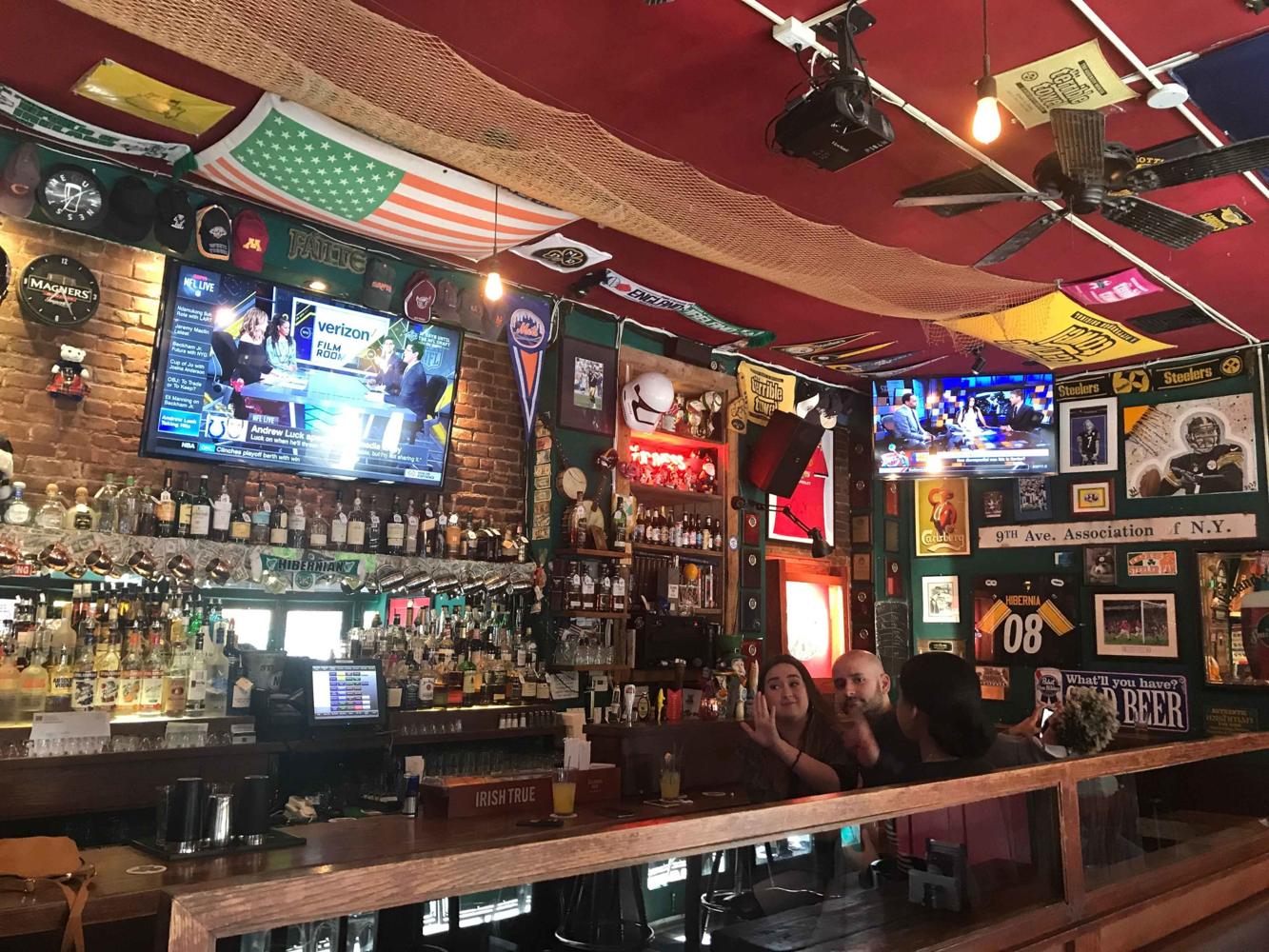
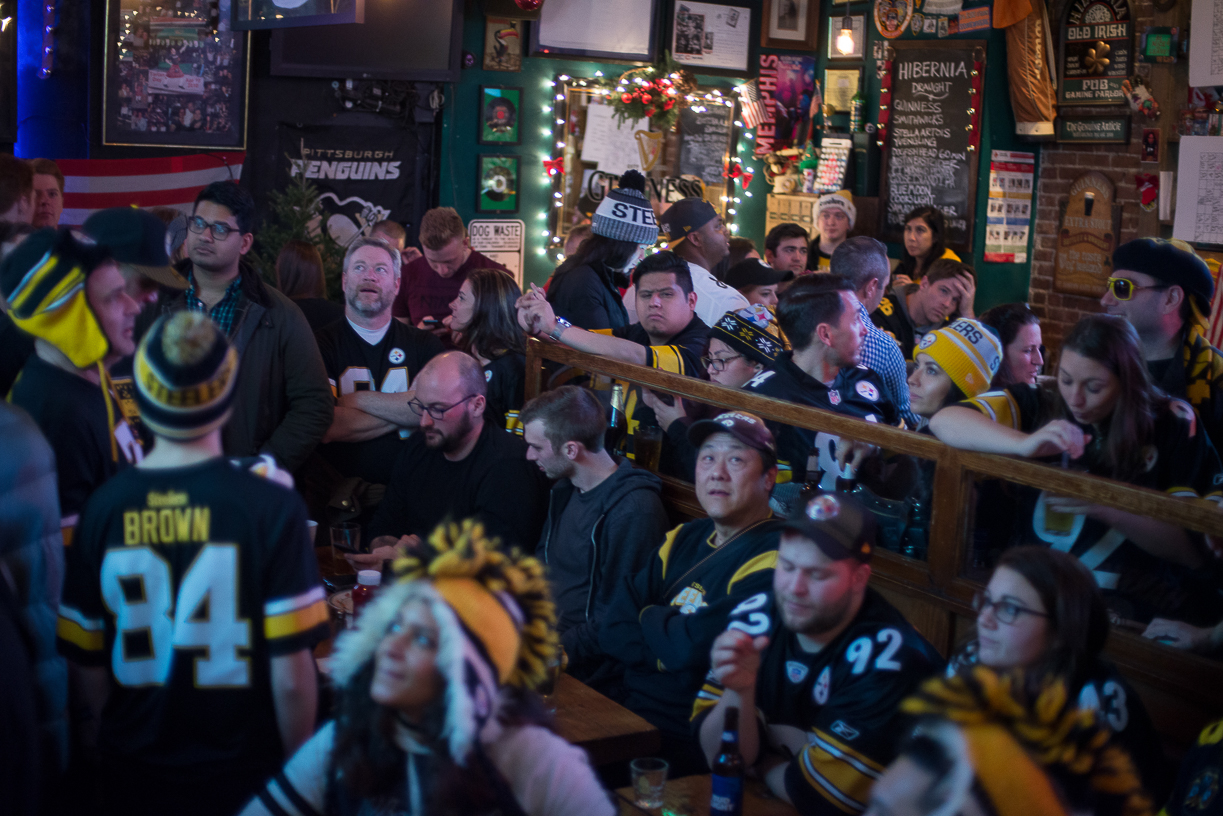
A great night in Manhattan is often decided in the first hour. Pick the wrong opening bar and the evening never quite settles. The room is too loud too early, the drinks are heavy when you wanted something brisk, or the neighborhood leaves you stranded in a long taxi ride just when everyone is ready to move. Pick the right place and the whole city seems to cooperate. Conversation starts easily, the first round sharpens everyone up rather than slowing them down, and the next stop feels obvious.
That is why the best bar NYC options for the start of a night are not always the flashiest places or the ones with the longest reservation lists. A starting bar has a specific job. It should set tempo, not steal the whole show. You want enough energy to feel like the night has begun, but not so much chaos that nobody can hear one another or decide what comes next. In Manhattan, that usually means balancing three things: location, lighting, and drink style.
Over the years, I have found that the strongest opening bars share a few traits. They are easy to reach from several neighborhoods, they serve the first drink of the evening with confidence, and they give your group options once you step back onto the sidewalk. Manhattan rewards momentum. If your first stop is in the right place, the rest of the night gets much easier.
What makes a Manhattan bar good for the first stop
Starting a night is different from ending one. At 6:30 or 7:30 p.m., most people want a drink that wakes up the palate, not one that flattens it. Martinis, spritzes, highballs, citrus-forward cocktails, dry sparkling wine, and clean beer all work better than sticky dessert drinks or very high proof pours. Food matters too, though not in the full-dinner sense. Olives, fries, oysters, a burger to split, or a plate of charcuterie can rescue a group that arrived hungrier than planned.
The room matters even more. Early on, people are still arriving from offices, subways, hotels, and rushed crosstown trips. A bar that feels forgiving helps. Good seating, sensible music volume, bartenders who can read the room, and enough space near the entrance so latecomers are not immediately in the way, these details matter more than people admit. So does the check process. Nothing kills the opening mood like ten minutes of confusion over a tab before stop number two.
Location is the final filter. In Manhattan, a first bar should leave you choices. If you begin in the West Village, you can drift downtown, head north, or stay put and make a night of a few blocks. Start too deep in a destination corner and every next move becomes a negotiation. This is why some excellent bars are poor starting bars. They are wonderful once you have committed to them, but they do not launch a broader evening very well.
The West Village and Greenwich Village, where nights still unfold naturally
If I had to choose one part of Manhattan that most consistently delivers a good start, it would be the Village. The geography helps. Streets are walkable, cabs are easy enough, and the density of strong restaurants and bars means nobody feels trapped by one decision. The atmosphere also tends to land in the sweet spot between polished and relaxed.
Dante remains one of the clearest examples of a bar that understands the first-round role. It has name recognition, but it also gets the practical things right. The drinks lean bright and aperitivo-friendly, the room has energy without forcing it, and the people-watching from the front windows gives the night immediate shape. If your group is mixed, some cocktail enthusiasts, some people who just want a very good Negroni or spritz, this is the kind of place that keeps everyone happy. The trade-off is obvious: popularity. Prime hours can mean a wait, and that matters if your group is impatient.
Employees Only works best for a slightly later start, the kind of 8:00 p.m. Opening where dinner may come after a round rather than before it. It has real New York bar glamour, but not in a way that feels staged. The cocktails are serious, the staff usually move with confidence, and the room carries momentum. I would not send a group here if the priority is quiet catch-up. I would send them here if the goal is to feel that the night has properly begun.
Temple Bar, just east of the Village orbit, offers a different opening move. It is darker, moodier, and more tailored. There are nights when that is exactly right. If the group is small and dressed with a bit of intention, Temple Bar can make an ordinary Friday feel expensive in the best way. The downside is that it asks something from you. This is not a place for a chaotic meetup where half the party is late and someone is dragging a shopping bag.
The Village also supports a practical kind of bar hopping that Manhattan does especially well. You can start elegant, turn casual, and still end up somewhere with serious drinks. That flexibility is why the neighborhood remains such a dependable answer whenever someone asks for the best bar NYC area to begin an evening.
Flatiron and Union Square, for groups that need convenience
There are nights built around taste, and nights built around logistics. For logistics, Flatiron and Union Square are hard to beat. Subways converge, offices empty nearby, and the surrounding blocks give you both destination restaurants and fallback options. If you are meeting clients, out-of-town friends, or coworkers who all live on different train lines, this part of Manhattan solves more problems than people realize.
Dear Irving on Hudson is not in Flatiron, but Dear Irving Gramercy sits close enough to fit the broader zone, and it suits a polished start. The design is theatrical without becoming corny, and the cocktail menu tends to reward people who read it closely. It is especially good when you want something with a little ceremony but still need a central meeting point.
If your group wants a more food-friendly opener, Union Square has long been useful because it bridges dinner plans. You can begin with wine or cocktails, have enough room to talk, then pivot quickly to a steakhouse, a casual Italian spot, or a downtown-bound train. That is not always romantic advice, but it is good advice. Starting bars in Manhattan often fail because they ignore the rest of the evening.
This district is also kinder to larger groups than many downtown addresses. Rooms are often a bit more spacious, and bars are more accustomed to the after-work surge. The price of that convenience is atmosphere. You may not get the intimate magic of a tucked-away Village room. What you get instead is ease, and for many nights ease wins.
Midtown, better than its reputation if you choose carefully
Midtown is dismissed too casually by people who confuse tourist traffic with a total lack of good bars. It is true that many Midtown places feel transactional. But when the bar is right, Midtown can be one of the smartest places to start, especially if your group includes theatergoers, hotel guests, or people coming from uptown offices.
Bemelmans Bar is still one of the classic opening moves in Manhattan. It works because it knows exactly what it is. The murals, the old-school service rhythm, the piano, the sense that New York can still perform elegance without apologizing for it, all of that gives the night stature before it gets messy. This is not the place for bargain hunting, and it is not a place to linger with a large indecisive crowd. But for two to four people who want the first drink to feel Bar NYC memorable, it delivers.
Pebble Bar offers a very different Midtown start. It is lively, current, and social in a way that can jump-start a sleepy group. The location near Rockefeller Center makes it useful if people are arriving from different directions, and the space has enough personality to avoid the anonymous-hotel-bar problem. The caution here is volume. On some nights, conversation competes with the room.
The hotel bar category in Midtown deserves a fairer hearing than it gets. A well-run hotel bar can be a superb place to begin because it is built for arrivals. Seats turn over. Staff are used to first-time guests. The energy resets throughout the evening rather than hardening into a clique. If someone texts that they are twenty minutes away, nobody panics. That is a small operational blessing, but in Manhattan it matters.
Lower Manhattan, for people who want the city to feel cinematic
When someone says they want a real New York start to the night, what they often mean is Lower Manhattan. They want old buildings, a little edge, and a room that feels less managed than uptown. For that mood, the Financial District and its surrounding pockets can be excellent, especially now that the area supports more evening life than it once did.
The Dead Rabbit has earned its reputation because it combines historical sensibility with genuine bar craft. Depending on the floor and the hour, it can work as a first stop for very different nights. Earlier in the evening, it can feel almost restorative after a long day. Later, it grows busier and more celebratory. It also benefits from a neighborhood dynamic that is underrated: the contrast between old stone streets and modern nightlife creates instant atmosphere before you even order.
Overstory is one of those places that can become the night rather than start it, which is both its strength and its complication. The views are spectacular, the drinks are polished, and the whole experience has a strong sense of occasion. If your group wants a launchpad and then movement, Overstory can almost be too complete. People tend to want to stay. Still, for dates, birthdays, or when out-of-town guests need one unforgettable opening image of Manhattan at dusk, it is hard to top.
Lower Manhattan also rewards the simple pleasure of walking between stops. That should not be overlooked. A good starting bar leaves some oxygen in the evening. A ten-minute walk past old facades, river air, and the changing sound of the city can be more valuable than one more complicated cocktail.
The Lower East Side, ideal when the night is meant to loosen up
Some nights are not about perfect lighting or polished service. They are about gathering energy. For those, the Lower East Side remains one of Manhattan’s best opening zones. The mistake people make is starting too late or too aggressively. If you begin on the Lower East Side with the loudest room you can find at 10:00 p.m., you are not starting a night, you are dropping into the middle of one.
Attaboy is the obvious name because it remains one of the city’s finest cocktail experiences. It is intimate, exacting, and built around bartender judgment. When the timing is right, it can be a thrilling first stop. You walk in with one mood, the Bar NYC bartender asks a couple of questions, and the drink arrives feeling custom-built for the night ahead. But it is not frictionless. Space is limited, waits can stretch, and large groups are not its natural audience. That makes it fantastic for a pair or a trio, less ideal for eight friends trying to assemble from four neighborhoods.
Double Chicken Please, when accessible, captures a more contemporary downtown energy. The room can be lively to the point of challenge, but for younger groups or visitors who want to feel current Manhattan bar culture rather than old-guard polish, it makes sense. The key is expectation-setting. Go because you want invention and buzz, not because you want an easy place to talk through dinner options.
The Lower East Side works especially well when everyone agrees that the night may sprawl. If there is a chance that bar one becomes bar three and someone ends up getting noodles at midnight, this neighborhood understands the assignment.
A few places that shine for specific kinds of nights
Not every evening needs the same first stop. Manhattan is too varied for one-size-fits-all advice. Matching the bar to the purpose of the night usually matters more than chasing the city’s hottest reservation.
For a first date, a room with enough atmosphere to carry a lull is useful. You want a place where the setting contributes but does not dominate. The Nines in NoHo often fits that profile, polished, attractive, and sociable without demanding a full performance from the people at the table.
For a reunion with old friends, comfort wins. That can mean a classic pub with an excellent beer list, or a bar with booths and a forgiving menu where one round becomes three naturally. Perfection is less important than ease.
For a business-adjacent social evening, discretion matters. You do not want a room where everyone has to shout, or where the cocktail menu becomes the evening’s main event. Midtown and Flatiron tend to offer the safest choices here, even if downtown is more fashionable.
For visitors, the smartest move is often a place with clear New York identity but strong operational discipline. A beautiful room means less if the wait is punishing and the service collapses under pressure.
How to choose the first bar without overthinking it
The best choice usually comes from answering a few practical questions before anyone leaves work. Those answers matter more than online rankings.
- Ask where dinner is likely to happen, even if nobody has booked it yet.
- Decide whether the group wants to talk or wants immediate energy.
- Be honest about size, because a bar that is perfect for three can fail badly at seven.
- Check whether one or two people are setting the tone, such as a date, a client, or a first-time visitor.
- Pick a neighborhood with at least two fallback options within walking distance.
That small amount of planning prevents most of the classic Manhattan mistakes. It also keeps the first bar from becoming a referendum on the entire night.
Timing changes everything
The same bar can be elegant at 6:15, crowded at 7:45, and exhausting by 9:00. This is why blanket recommendations often disappoint. Manhattan bars are not static. They have shifts in volume, staffing, walk-in flow, and table turnover that materially affect the experience.
If your group can meet early, many of the city’s best cocktail bars feel more generous. Bartenders have time to talk. You can actually choose your seats rather than taking what is left. The first drink comes fast, and that speed has a psychological effect. People relax. They settle into the night.
Late starts demand a different strategy. If nobody can meet before 8:30, I usually recommend choosing a bar with enough scale or enough turnover to absorb walk-ins. Tiny destination bars can become stressful at that hour unless you have planned carefully. There is nothing glamorous about standing on a crowded sidewalk trying to decide whether to wait forty minutes for the privilege of beginning.
Money, noise, and other real trade-offs
A polished Manhattan start can get expensive fast. Two rounds and a snack in the wrong room can rival a full dinner elsewhere. That does not mean the priciest bars are bad values. Sometimes a $24 cocktail in the right setting earns its place by delivering exactly what the night needed. But there are diminishing returns. If the room is too loud to talk and the second drink arrives rushed, luxury pricing starts to feel hollow.
Noise is the other hidden cost. Many people confuse buzz with energy. Early in the night, buzz is good. Sonic warfare is not. If your first stop leaves everyone leaning in and repeating themselves, the group burns social energy that should have been saved for later. This is one reason classic hotel bars and old-school lounges still matter. They understand that volume is part of hospitality.
The last trade-off is ambition. A destination bar can feel exciting, but only if the group wants that level of effort. Sometimes the best bar NYC answer is not the city’s most famous cocktail address. It is the place with a strong martini, competent staff, room for six, and three more good options within a five-minute walk.
The bars that start a night best are the ones that leave room for the city
The strongest first bars in Manhattan do something subtle. They make the city feel bigger, not smaller. They sharpen appetite, for dinner, for conversation, for another neighborhood, for one more round somewhere else. They do not trap you in a wait, a scene, or a mood that arrived too soon.
If you want old New York polish, Midtown still has it. If you want movement and choice, the Village remains hard to beat. If convenience matters most, Flatiron and Union Square make practical sense. If you want skyline drama or downtown grit, Lower Manhattan delivers. If the night is meant to loosen and wander, the Lower East Side has the right kind of unpredictability.
The first drink is not just a drink. In Manhattan, it is a steering decision. Get it right and the rest of the evening tends to follow.
Hibernia Bar
401 W 50th St
New York, NY 10019
(212) 969-9703
FAQ About Bar NYC
What is there to do in Hell's Kitchen, NYC?
Explore the restaurants and bars along Ninth Avenue, catch a Broadway show nearby, or visit the Intrepid Museum on the Hudson River. Hibernia Bar is at West 50th Street and Ninth Avenue, a convenient stop before or after a show.
What are some bars in New York City that serve good food?
Hibernia Bar in Hell's Kitchen serves wings, burgers, fish and chips, and shepherd's pie. Its kitchen lists a 2 a.m. closing time, which makes it an option for dinner after a show or a game.
How far is Hell's Kitchen from Times Square?
Hell's Kitchen is just west of Times Square. From Broadway and West 45th Street, Hibernia Bar is roughly 0.6 miles away, or about a 12-minute walk depending on crowds.